Summary
A PMS (Property Management System) manages internal hotel operations, while a Hotel Reservation System handles guest bookings. While distinct, they function best when integrated, ensuring accurate availability, preventing double-bookings, and improving overall guest satisfaction.
PMS vs. Hotel Reservation System: What's the Difference?
If you are in the hospitality business, you have come across the difference between PMS and Hotel Reservation System at some point.
I remember the first time a hotel owner asked me which one they needed—PMS or a reservation system—and honestly, it brought back memories of when I first started working with hotel tech.
The terminology can be confusing, but once you understand how each works and what problems they solve, it all starts to make sense.
Let’s break it down in simple terms.
What Is a PMS (Property Management System)?
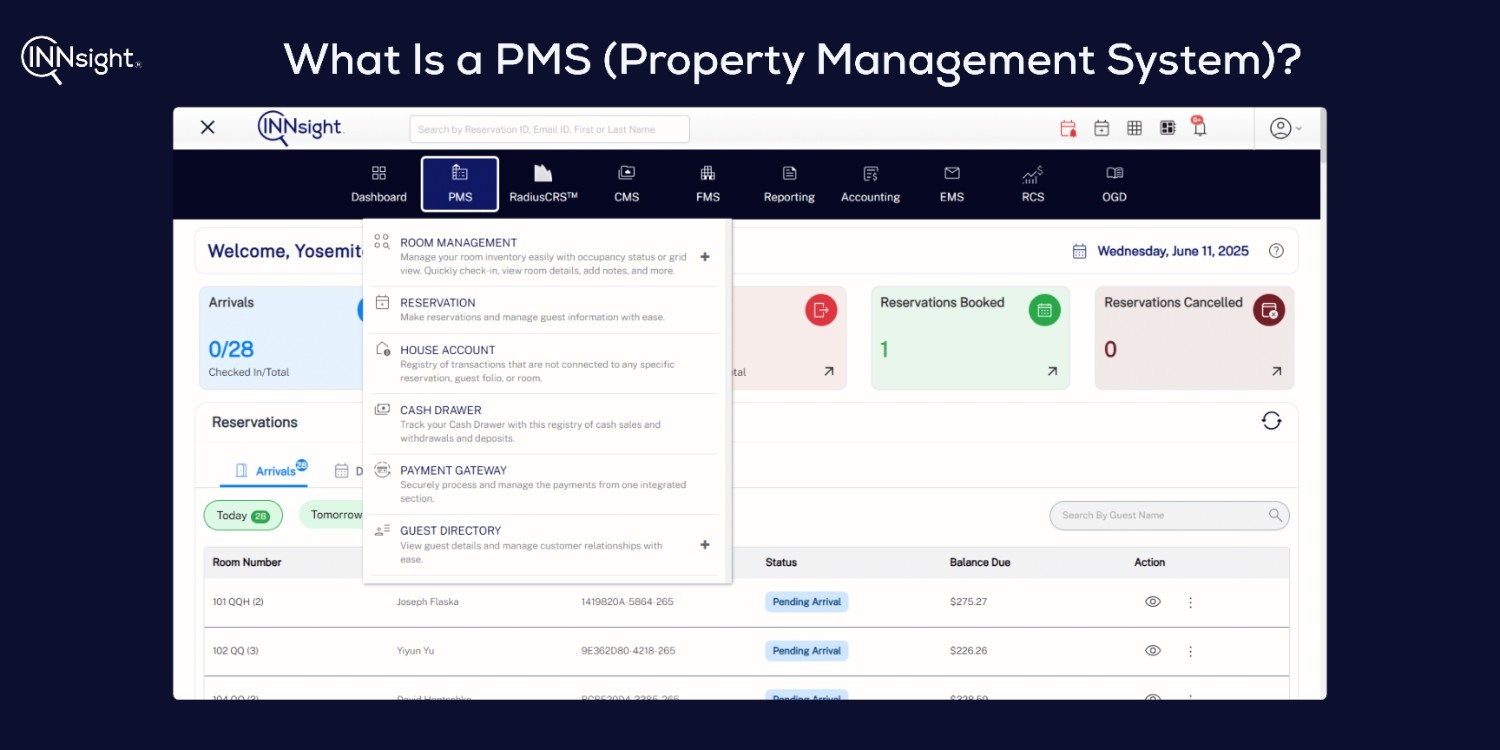
A Property Management System (PMS) is the central nervous system of hotel operations. Think of it as your control panel—it helps you manage:
- Guest check-ins and check-outs
- Room assignment and availability
- Housekeeping status
- Billing and folios
- Reports and analytics
Most modern PMS solutions also integrate with point-of-sale (POS) systems, channel managers, and even smart locks.
If you are running a hotel, motel, resort, or B&B, a PMS is what keeps your front desk humming along smoothly.
What Is a Hotel Reservation System?
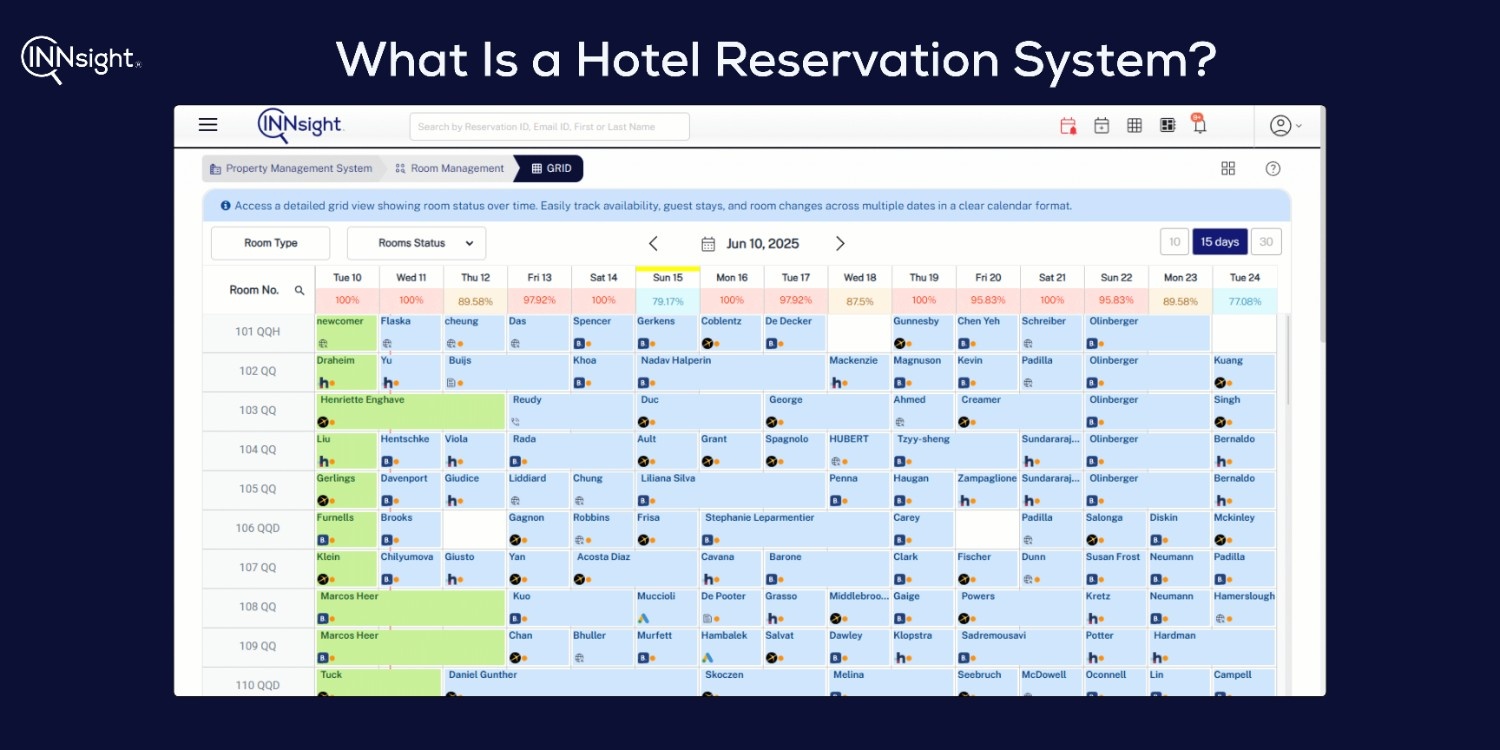
On the flip side, a Hotel Reservation System is more guest-facing.
Its main role is to allow travelers to search room availability and book stays—whether through your hotel website, OTAs (Online Travel Agencies), or metasearch engines. It handles:
- Real-time inventory updates
- Secure payment processing
- Automated booking confirmations
- Integration with OTA platforms (like Booking.com, Expedia)
In short, this is your 24/7 digital receptionist, handling bookings even when your staff is asleep.
The Core Difference Between PMS and Hotel Reservation System
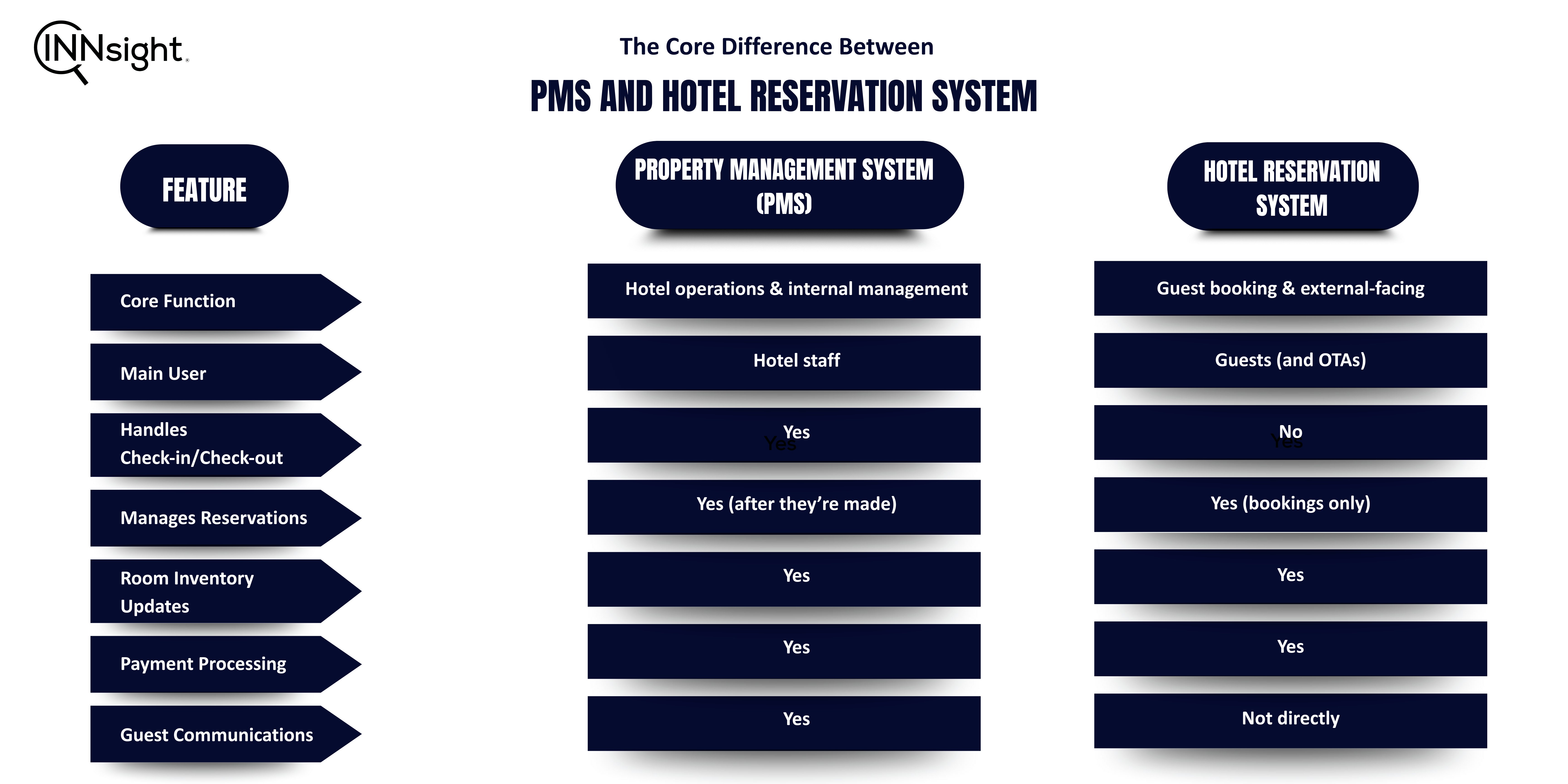
Now here’s the real meat of it—the difference between PMS and Hotel Reservation System comes down to their primary functions.
| Feature |
Property Management System (PMS) |
Hotel Reservation System |
| Core Function |
Hotel operations & internal management |
Guest booking & external-facing |
| Main Users |
Hotel staff |
Guests (and OTAs) |
| Handles Check-in/Check-out |
Yes |
No |
| Manages Reservations |
Yes (after they're made) |
Yes (booking only) |
| Room Inventory Updates |
Yes |
Yes |
| Payment Processing |
Yes |
Yes |
| Guest Communication |
Yes |
Not directly |
In essence, the PMS manages the guest after the booking is made. The reservation system is what gets the booking in the first place.
Why Hotels Need Both Systems Working Together?
Here’s a little secret I often share with hotel owners: It’s not about PMS vs. Hotel Reservation System—it’s about how they work together.
One of our clients, a 40-room boutique hotel, previously entered OTA bookings into their property management system (PMS) manually. They used to enter every OTA booking by hand, which often caused room mismatches and created chaos at the front desk. Guests would arrive expecting rooms that weren’t actually available, and the team was constantly scrambling to fix errors.
But everything changed once we introduced a PMS that connected directly with their reservation system. It was like flipping a switch—things finally ran the way they were supposed to.
When both systems are in sync, you get:
- Accurate, up-to-the-minute room availability
- Zero risk of double-booking
- Smoother daily workflows
- Happier, more confident guests
So, Which One Do You Need
If you’re just starting out and only want to accept bookings online, a hotel reservation system may be sufficient. However, if you're managing a full-fledged property, you definitely need a Property Management System (PMS)—and preferably one that integrates with your booking system.
When clients ask me, “What’s the difference between PMS and Hotel Reservation System, and which should I prioritize?”, I usually say:
“Start with the PMS, but make sure it talks to your reservation system.”
Because in this business, seamless communication is everything.
Understanding the difference between PMS and Hotel Reservation System can help you make smarter tech decisions. Whether you're a GM, owner, or hotelier wearing multiple hats, these tools, when used right, can save you time, improve guest satisfaction, and ultimately increase revenue.
If you're still unsure which system fits your property best, shoot me a message. I’ve helped dozens of hotels find the perfect tech stack, and I’d be happy to help you too.
Author
Roshan Patel
CEO & Founder
Roshan Patel, the dynamic force propelling INNsight to new heights. As a co-founder, his pragmatic and cost-focused leadership shapes the company's technical strategy and product architecture, ensuring a seamless hotel digital experience. With a hotel management and technology background, Roshan is a driving force in providing INNkeepers the tools they need to economically showcase their properties to cost-conscious travelers. Roshan's impact goes beyond tech, raising INNsight as a game-changer in hotel digital marketing.
Follow him on LinkedIn



 Related Blogs