Ever logged into Google Maps only to find your boutique hotel listed as having "No Free Wi-Fi," when you literally upgraded to fiber-optic last month?
It’s an incredibly frustrating moment for any hotelier. You work tirelessly to curate the perfect guest experience, yet a flawed digital snippet can send a potential guest running straight into the arms of a competitor.
So, how exactly does the world's largest search engine piece together your property's profile?
How Google gets hotel information isn't just about what you type into your dashboard.
Google relies on an intricate, automated ecosystem of data scraping, third-party feeds, and crowd-sourced user behavior.
If you want to protect your direct bookings and keep your listing flawlessly accurate, you need to know how the machine operates.
Let's look under the hood.
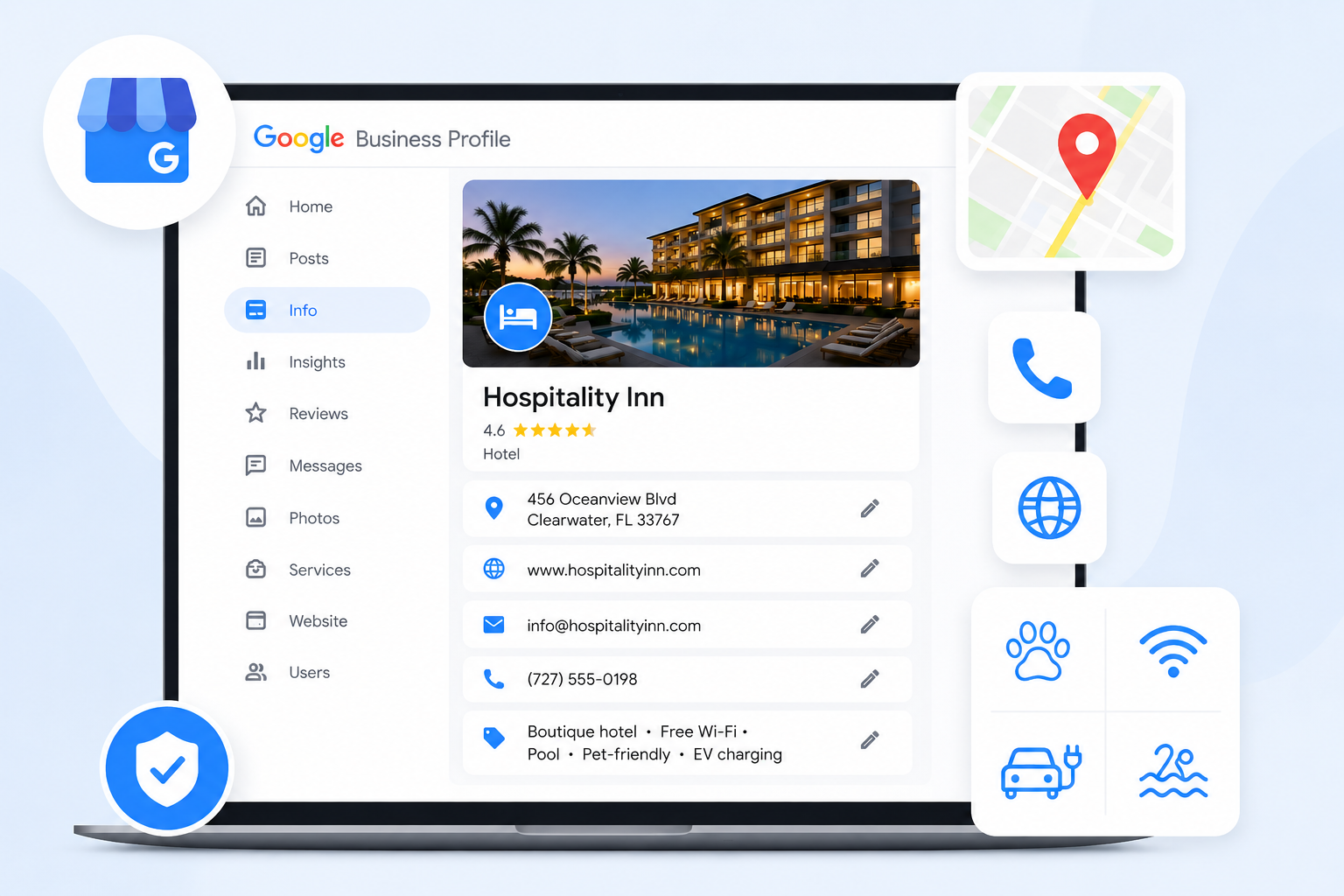
The most obvious place Google looks is the data you provide. By claiming and verifying your Google Business Profile for hotels, you gain direct access to feed core data to the algorithm.
Inside your dashboard, you can explicitly define your:
- Exact physical address and pin location
- Direct website URL and phone numbers
- Extensive hotel attributes Google provides, from pet-friendly policies to EV charging stations
Pro Tip: Unlike regular businesses, hotels cannot set "operating hours" on Google because hospitality properties are fundamentally expected to be open 24/7. Focus your energy on the "Hotel Details" section instead!
2. The Algorithmic Scrape: Crawling Your Hotel Website
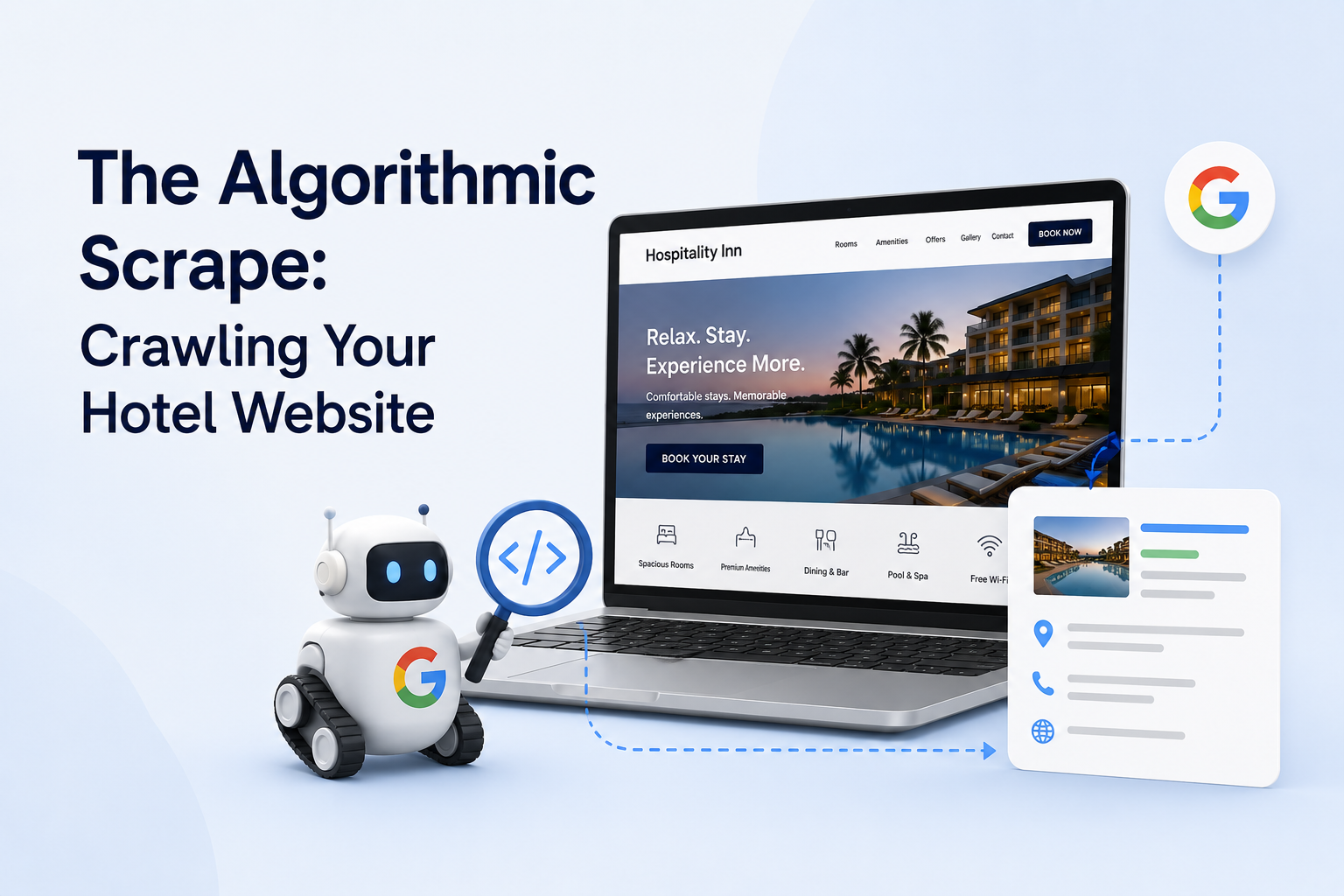
Here is where things get interesting. Google doesn’t just take your word for it in the dashboard.
Its web crawlers actively scan your official website to verify if your content matches your claimed attributes.
If your website lacks structured data—specifically Hotel Schema Markup—Google’s bots have to guess.
They read your room descriptions, blog posts, and headers. If your site mentions an old "valet parking partner" that you no longer use, Google might scrape that outdated text and add a "Paid Parking" attribute to your local listing without your permission.
This is why having a modern, cloud-based Content Management System (CMS) built specifically for hotels is so critical.
Your website needs to talk to Google in a clean, structured code language that it instantly understands.
3. Third-Party Overrides: OTAs and Global Distribution Feeds
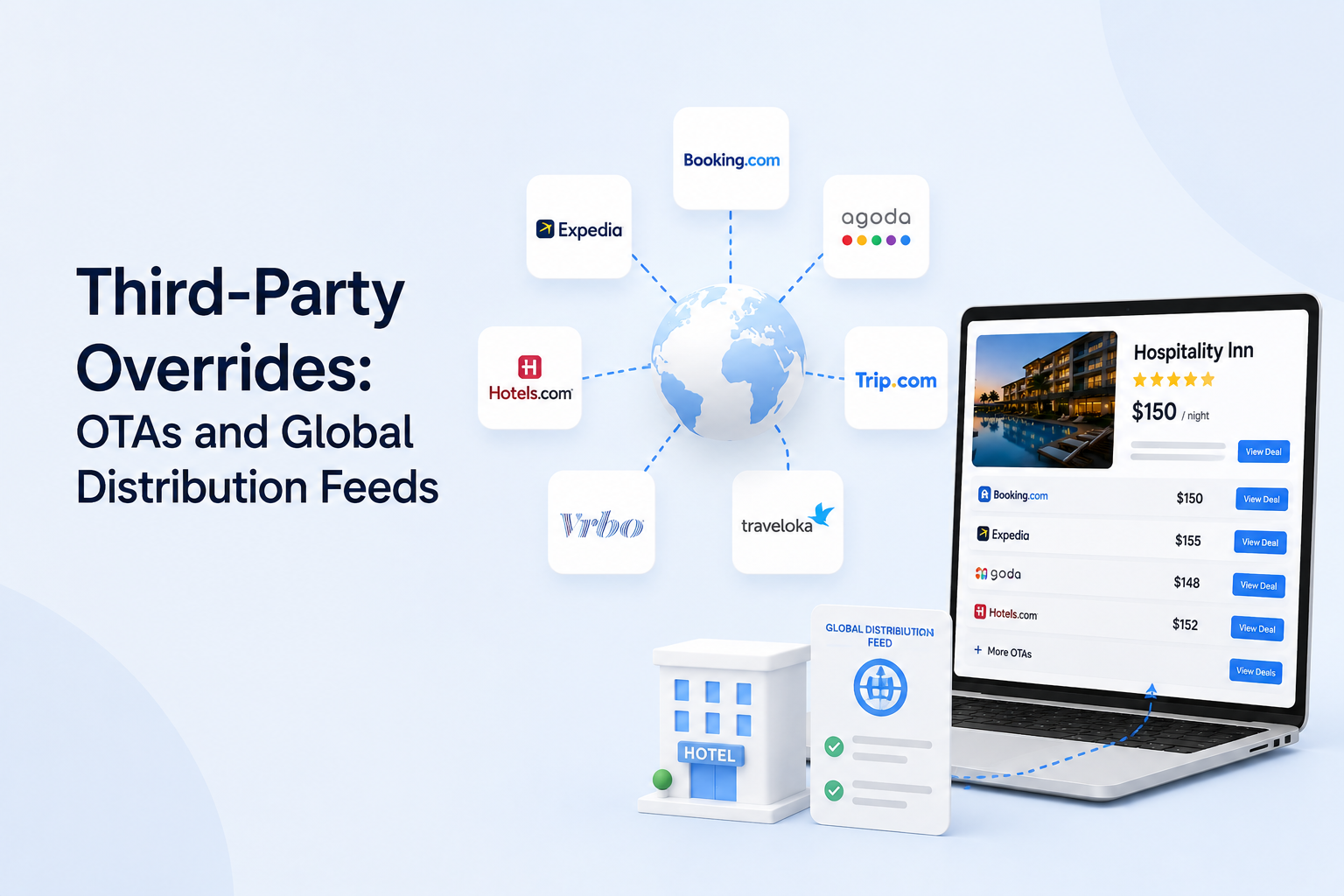
Have you ever changed an amenity in your dashboard only to have it revert to something incorrect a few days later?
You can thank OTA data scraping Google Maps for that.
Google cross-checks your property data against massive travel aggregates, including:
- Major Online Travel Agencies (OTAs) like Expedia, Booking.com, and TripAdvisor.
- Global Distribution Systems (GDS) and local licensing registries.
If five major OTAs state that you charge a resort fee, but your Google Business Profile says you don't, Google's algorithm may automatically override your input in favor of the consensus data.
To fix this, your property's structural data must be perfectly synchronized across all distribution channels using a dedicated channel manager.
4. User-Generated Data: The Wisdom (and Chaos) of the Crowd
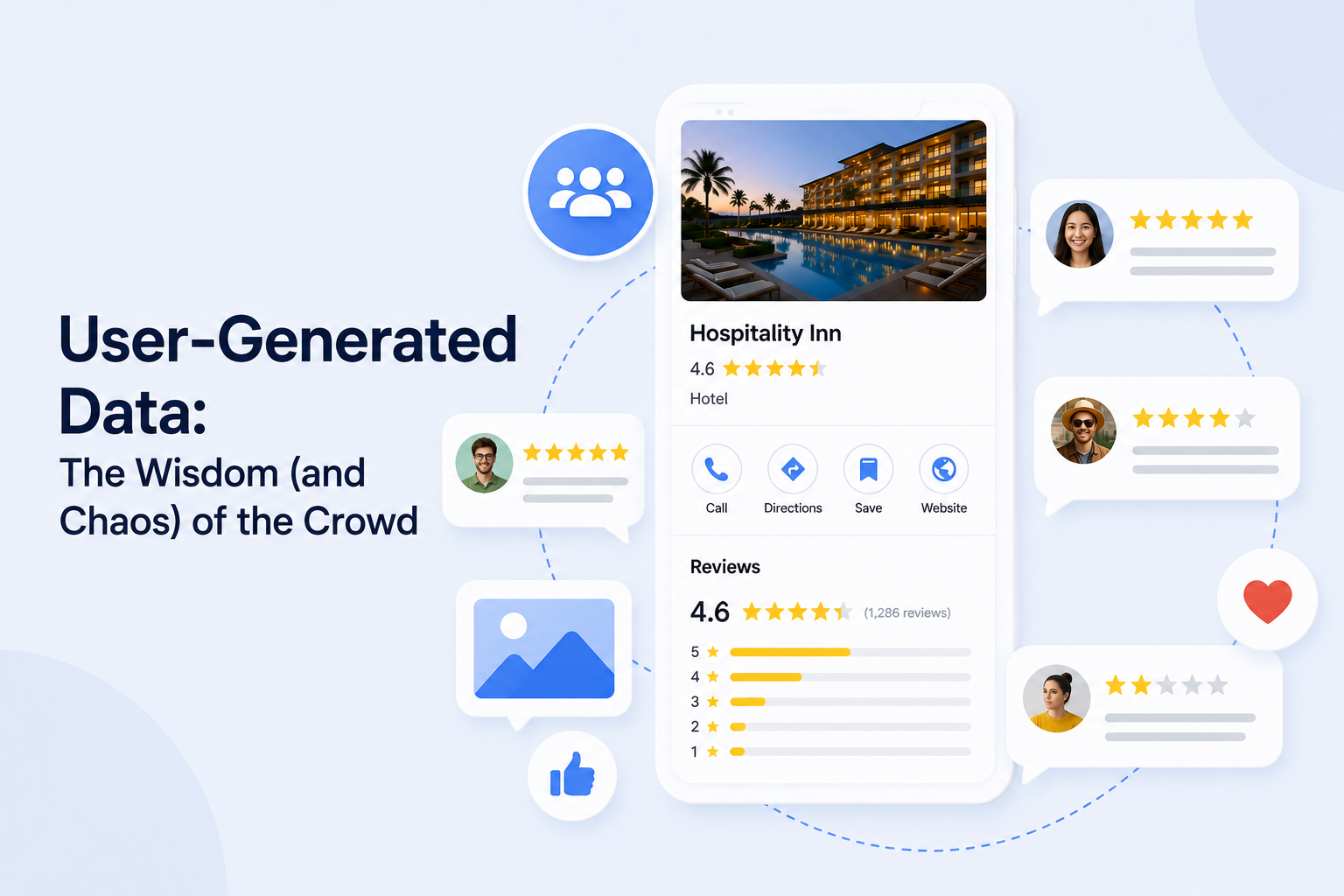
Google trusts its users immensely. The local search ecosystem relies heavily on real-time feedback from real people to validate Google hotel local listing data sources.
Google aggregates information from:
- User Reviews: If multiple guests write phrases like "loved the free breakfast buffet," Google will automatically trigger the "Free Breakfast" attribute badge on your listing.
- Local Guides Prompts: Google Maps frequently asks mobile users to ask questions like, "Does this hotel have a pool?" or "Is there wheelchair access here?"
- Guest Photos: AI image-recognition technology scans user-uploaded photos to verify amenities like fitness centers or balconies.
Take Back Control of Your Digital Front Door
Understanding how Google gets hotel information is the first step toward dominating local search.
You cannot completely stop Google from scraping outside data, but you can make your direct, first-party data so flawless and structurally authoritative that the algorithm always trusts your website first.
Are you tired of battling incorrect data, losing direct bookings to OTAs, or managing a website that doesn't talk to Google properly?
At INNsight, we specialize in building fast, SEO-optimized, schema-ready hotel websites paired with powerful booking engines designed to feed Google exactly what it wants to see.
Learn More About INNsight's Digital Marketing & Website Solutions Systems Today!



 Related Blogs
1.jpg "Top Challenges Small Hotels Are Facing in 2026 (And How to Overcome Them)")